Armor Suits: Selection, Uses and Display Guide
Plan a full armor display around verified components, overall space, support, handling and a clear distinction between costume and protection.
Compare a full armor silhouette with a torso-led display by measuring height, footprint, support points and assembly access.
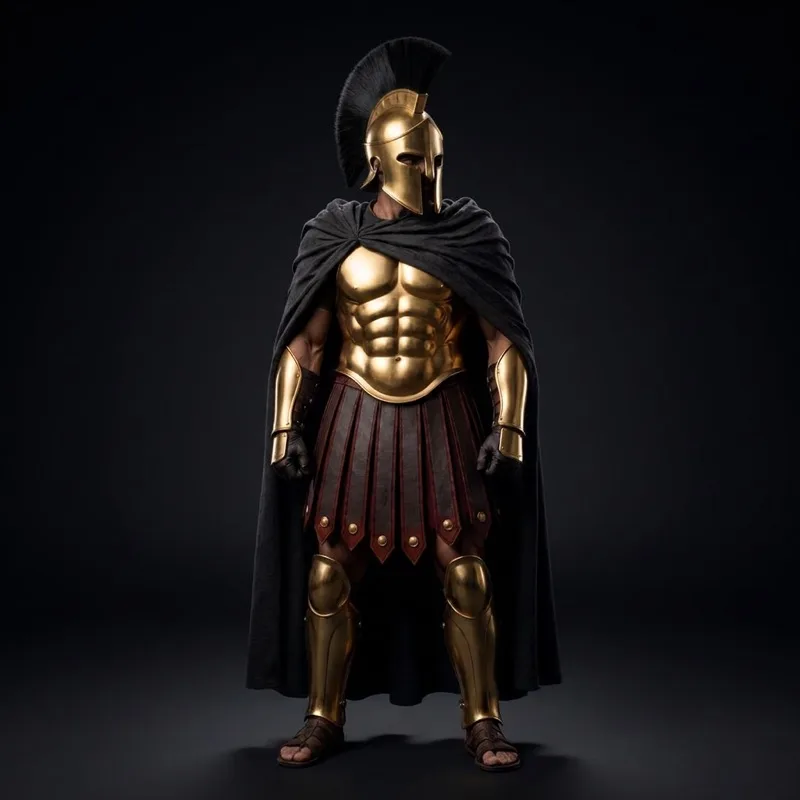
A full armor suit fills a vertical space and implies a complete figure. A torso-led display concentrates attention on the chest plate, finish and upper-body shape, often with fewer components to arrange. The choice depends on the room, the model’s actual component list and the support you can provide. A product name alone does not establish whether every visible accessory or stand is included.
For a full figure, measure height to the highest point, width across shoulders and elbows, and depth from helmet or chest to the rear support. Add the stand footprint and the area needed to approach the display safely. Confirm the delivery route and assembly space as well as the final position.
A torso display can reduce height and floor area, but it still needs a stable support. A chest plate may project forward or have edges that need dedicated padding. If the supplier offers a partial set as a separate model, verify its contents; do not assume that a full suit can be disassembled into a saleable torso option.
| Factor | Full suit | Torso-led presentation |
|---|---|---|
| Visual effect | Complete figure and strong room presence | Focused view of chest form and surface |
| Footprint | Stand and full-body spread | Support behind torso and protruding plate depth |
| Components | Multiple pieces to identify and position | Fewer pieces, but exact inclusion still matters |
| Handling | Assembly sequence and several contact points | Support beneath torso and careful edge clearance |
The catalogue illustrates why a model-by-model review matters. VaultX 5.5.1 (vaultx-5-5-1) is described as a Spartan full set in steel and brass, with standard adult fit. VaultX 5.5.3 (vaultx-5-5-3) is described as a dark fantasy full steel armor suit for display and cosplay. VaultX 5.5.8 (vaultx-5-5-8) lists a Gothic full-plate set with breastplate, bracers and greaves. These descriptions vary in style and components; request the exact included-parts list and stand arrangement for the selected model.
A full suit can require separate supports for helmet, chest, arms and legs. Ask where the load is carried and whether the supplied stand is included. Do not suspend heavy parts from decorative straps or place unsupported plates where they could slide. For a public display, obtain a stability review and keep a clear distance from visitors.
A torso arrangement may be easier to place on a plinth, but it can still be top-heavy. Ensure the support is rated for the assembled object and that the plinth does not obstruct routine cleaning. Avoid contact between dissimilar finishes when stacking or storing components, and follow model-specific care guidance. The Canadian Conservation Institute’s general advice for metal objects emphasizes preventive care and appropriate display supports; the maker should advise on the specific replica materials.
A full suit rewards a spacious setting and deliberate assembly. A torso presentation suits a tighter footprint when the support and plate edges can be managed. In either case, write down the components, dimensions, total weight, stand, handling points and care instructions. If the armor is also intended to be worn, keep that decision separate from display planning and obtain clear supplier guidance on fit and intended use.
The better format is the one the room can support reliably. Measuring first makes the choice between full silhouette and torso focus clear, while an exact component list prevents the finished display from promising parts the model does not include.
A display that fits on opening day still needs room for periodic inspection. Leave access to the rear of the stand or plinth so staff can check fastenings without shifting the entire figure. Include enough clearance to vacuum or dust around the feet without leaning equipment against a greave or shield. In a public venue, keep the approach route open and make sure visitors cannot pull a support while reading a label.
Decide where removed parts will sit during maintenance. A padded surface and labeled container reduce the risk of mixing fittings or scratching finishes. Take a photograph before disassembly and another after reassembly. These small records are useful when the display is installed by different teams or moved between seasonal locations.
Use a temporary outline or an empty stand to judge the display from the room entrance. A full figure may need more open space around the shoulders and feet than a torso arrangement, while a torso can feel visually top-heavy if the plinth is too narrow. Check the composition from seated and standing positions and keep nearby props subordinate to the armor’s outline.
Choose lighting after the support and viewing angle are established. Reflections can obscure details on metal surfaces, and close spotlights can create strong glare. Adjust fixture direction rather than adding brighter light by default. A stable, serviceable arrangement is easier to maintain and more convincing to visitors than a denser display that leaves no room to inspect it.
Catalogue reference: VaultX 002. Listed material: Steel/Brass.
Check the current product page and ask for model-specific dimensions, packaging and suitability before ordering.
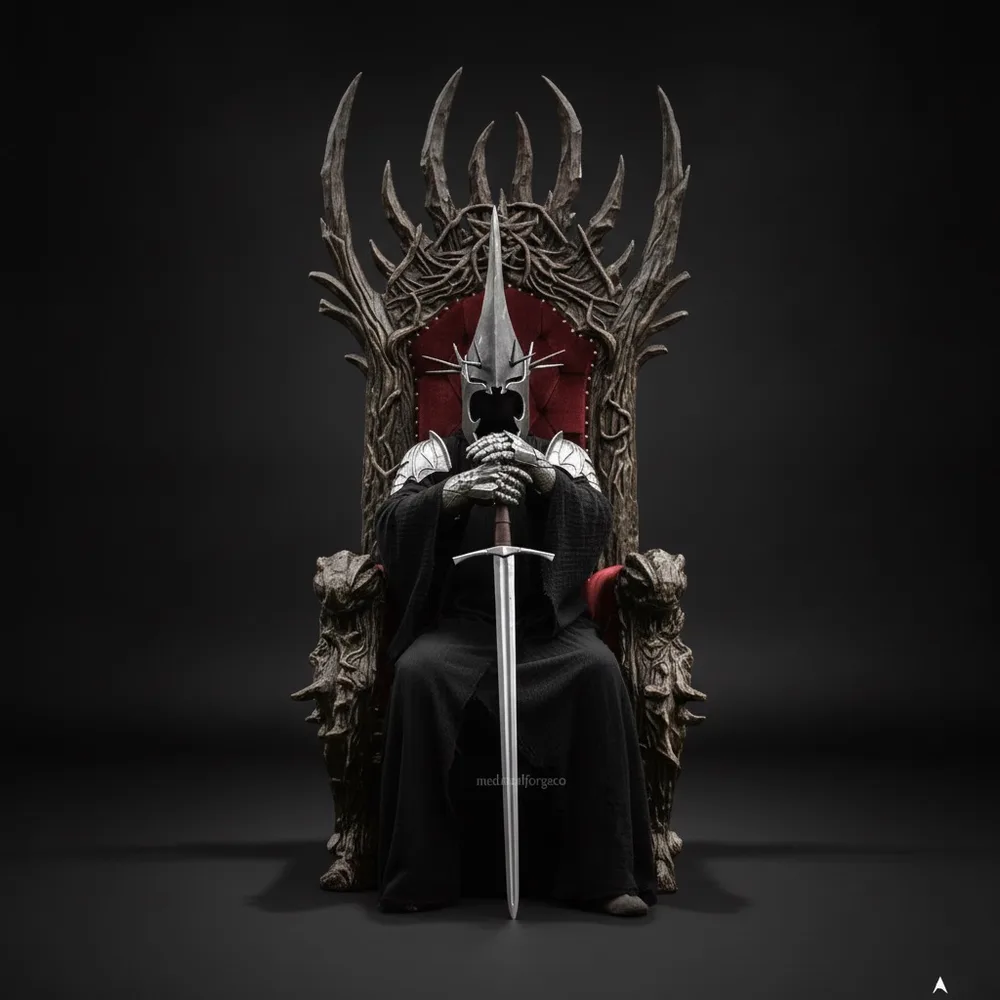
Catalogue reference: VaultX 024. Listed material: Steel.
Check the current product page and ask for model-specific dimensions, packaging and suitability before ordering.
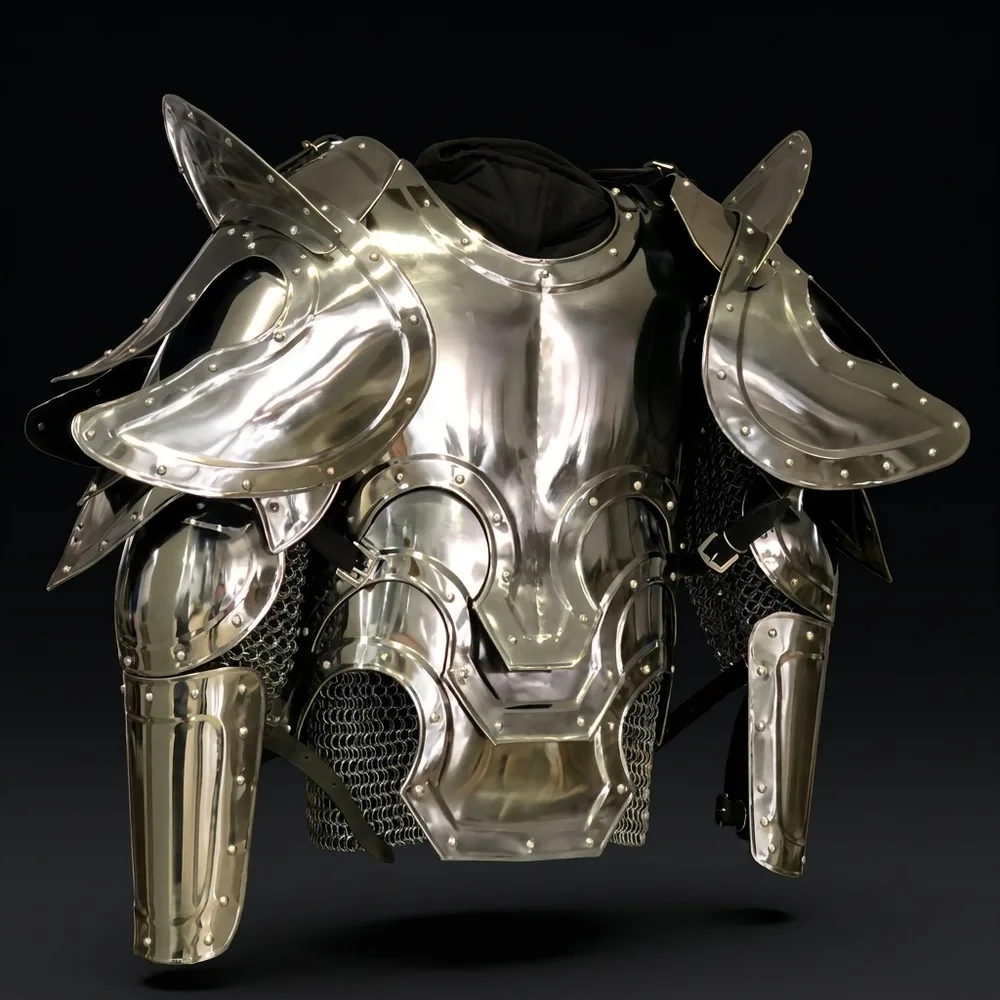
Catalogue reference: VaultX 026. Listed material: 18g Steel.
Check the current product page and ask for model-specific dimensions, packaging and suitability before ordering.
Explore Antiqula’s armor suits catalogue
Catalogue examples were checked against Antiqula’s product records on 2026-10-02. Research sources provide context; they do not certify the performance of individual catalogue products.